
Algae is the problem nearly every aquarium keeper faces at some point, and in a shrimp tank it comes with an irony worth knowing upfront: a little algae isn’t a crisis at all — your shrimp actually eat it. But when algae takes over, coating the glass and surfaces in green, it’s unsightly and signals something’s out of balance. The good news is that algae problems almost always come down to a couple of fixable causes, and a nano shrimp tank has a built-in cleanup crew working in your favor. Let me explain why algae appears and how to bring it under control.
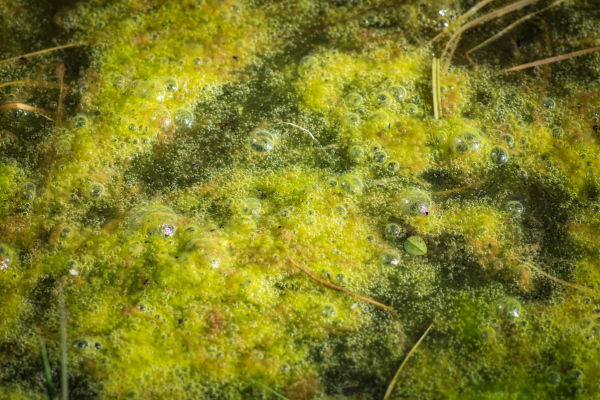
First, a reassuring reframe
Before treating algae like an enemy, understand that some algae is normal and even beneficial in a shrimp tank. Shrimp are grazers that happily eat soft algae — it’s part of their natural diet, and a tank with some algae growth is providing food for your colony. A thin film of algae on surfaces isn’t a problem to eliminate; it’s a feature your shrimp appreciate.
So the goal isn’t a totally algae-free, sterile tank. The goal is to prevent algae from overgrowing — taking over the glass and surfaces to the point of being unsightly or smothering your plants. Keep that distinction in mind: you’re managing balance, not waging total war. A little algae is fine; an explosion of it is the problem to solve.
Why algae takes over: the root causes
Algae overgrowth happens when algae gets more of what it needs to thrive than your plants and shrimp can keep in check. Two factors drive this more than anything else, and both are controllable.
The first and biggest is too much light. Algae loves light, and excess lighting is the most common cause of algae blooms. This is especially relevant in a low-tech tank: without CO₂, your plants can only use so much light, and any excess becomes a feast for algae instead. Leaving the tank light on too long each day, using a light that’s too intense, or — very commonly — placing the tank in direct sunlight all hand algae the energy it needs to explode.
The second is excess nutrients. Algae feeds on nutrients in the water, particularly those from overfeeding and accumulated waste. Overfeeding is a frequent hidden cause: uneaten food breaks down and enriches the water, fueling algae. High nitrate from infrequent water changes does the same. Where there’s a surplus of light and nutrients, algae thrives.
So the root causes are almost always some combination of too much light and too many nutrients. Fix those and you fix the algae.
How to get rid of it: addressing the causes
The lasting solution to algae isn’t scrubbing — it’s removing what’s feeding it. Here’s how to tackle the root causes.
Control the lighting. Reduce how long your light is on each day; a limited, consistent lighting period gives your plants what they need while denying algae the excess. An inexpensive timer makes this effortless and reliable. If your light is very intense for a low-tech tank, reducing the intensity or duration helps. And critically, move the tank out of direct sunlight — an uncontrolled sunbeam is one of the most powerful algae drivers there is, and solving this alone often turns the tide.
Reduce excess nutrients. Cut back on feeding — feed tiny amounts only a few times a week and remove any uneaten food within a couple of hours, since overfeeding is a major nutrient source for algae. Keep up with regular small water changes to remove accumulated nitrate and other nutrients that algae feeds on. Starving algae of surplus nutrients is just as important as controlling light.
Grow more plants. This is the elegant fix. Healthy plants compete with algae for the same light and nutrients, so a well-planted tank naturally suppresses algae by outcompeting it. Adding more of your easy low-tech plants — especially fast-nutrient-absorbing floating plants — helps tip the balance away from algae. A lushly planted tank is one of the best long-term defenses against algae overgrowth, which is one more reason to embrace plants in a shrimp tank.
Let your shrimp help
Here’s the lovely part unique to a shrimp tank: your shrimp are a living algae cleanup crew. Cherry shrimp and other Neocaridina graze on soft algae constantly, helping keep it in check as part of their normal daily grazing. A healthy colony provides ongoing, gentle algae control for free, working away at surfaces all day.
This means a shrimp tank has a real advantage over a fish-only tank when it comes to algae — you’ve got dozens of tiny helpers grazing it down. They won’t single-handedly defeat a major bloom caused by too much light and nutrients, but in a balanced tank they’re a meaningful part of keeping algae at the “thin film” level rather than letting it take over. It’s another reason the shrimp themselves make this hobby easier.
Manual removal for the stubborn spots
While addressing root causes is the real fix, you can also physically remove algae to clean things up in the meantime. Gently wiping or scraping algae off the front glass with an appropriate aquarium-safe tool clears your viewing pane and lets you enjoy the tank while the underlying balance recovers. You can also remove algae-covered decorations to clean them if needed.
Just remember that manual removal treats the symptom, not the cause — if you scrub the glass but don’t address the light and nutrients, the algae will simply return. Use manual cleaning to manage appearances, but rely on fixing the root causes for a lasting solution. And go gently, mindful of your shrimp and plants while you clean.
A note on patience and balance
Algae control in a new tank especially takes a little patience. New tanks often go through an algae phase as they establish and find their balance, and this frequently settles down on its own as the tank matures, the plants grow in, and everything stabilizes. So don’t panic at early algae in a young tank — maintain good habits and let it find equilibrium.
The overarching goal is a balanced tank: appropriate light, modest nutrients, healthy plants outcompeting algae, and shrimp grazing it down. Get that balance right and algae stays at the harmless, even beneficial, thin-film level rather than overgrowing.
The bottom line
To get rid of algae in a nano shrimp tank, remember first that a little algae is normal and even good — your shrimp eat it. The problem is overgrowth, and it’s driven almost entirely by too much light and too many nutrients. Control the lighting (limit its hours with a timer, reduce intensity, and get the tank out of direct sunlight), reduce nutrients (feed less, do regular water changes), and grow more plants to outcompete the algae. Let your shrimp do their part as a natural cleanup crew, use manual removal for appearances, and be patient while a new tank finds its balance.
Address the root causes rather than just scrubbing, and algae stays in check for good. A healthy, well-planted tank is your best defense — see the guide to the best low-tech plants for a shrimp tank for the plants that help keep algae at bay.
