
You’ve had your shrimp for a while, they seem alive and healthy, but the colony just isn’t growing — no berried females, no babies, no sign of the population explosion everyone promised. It’s a genuinely common frustration, and it’s almost always fixable, because Neocaridina are enthusiastic breeders by nature. When they’re not breeding, it usually means one specific condition isn’t being met. Let me walk you through what to check, roughly in order of likelihood, to get your colony multiplying.
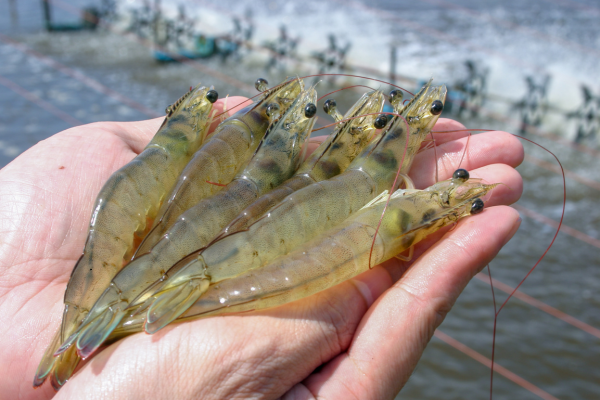
Start with the reassurance: Neocaridina want to breed
First, know that you’re not fighting an uphill battle. Neocaridina shrimp — cherry shrimp and their color variants — breed readily and willingly when conditions are right. Unlike some animals that need elaborate triggers or special intervention, healthy Neocaridina in a good environment reproduce on their own without any help from you. They genuinely want to.
This means that when they’re not breeding, the situation is almost never “these shrimp won’t breed” — it’s “something in the setup is holding them back.” Find and fix that one thing, and breeding typically follows naturally. So approach this as a checklist of conditions to verify, not a problem to force. Here’s what to check.
1. Do you have both males and females?
It sounds obvious, but it’s a real and common oversight: you can’t have babies without both sexes, and it’s entirely possible to end up with a group that’s heavily skewed or even all one sex, especially with a small starting number. If you bought just a few shrimp, you might by chance have mostly males or mostly females.
Check your colony for both sexes. Females are generally larger, rounder, and often more intensely colored, with a curved underside; males are smaller, slimmer, and often more transparent. If you can’t spot clear females (the larger, fuller ones, sometimes showing a saddle of eggs on their backs), a skewed sex ratio may be your answer. The fix is ensuring you have a healthy mix — adding more shrimp to a small group improves the odds of having both sexes well represented.
2. Are they mature yet?
Patience is often the real issue, particularly if your shrimp are young or recently acquired. Shrimp need to reach maturity before they can breed, and a recently purchased batch of young shrimp simply may not be old enough yet. Similarly, newly added shrimp need time to settle into their new home before they’ll feel secure enough to breed.
If you’ve only had your shrimp a short while, or they’re on the small side, the answer may simply be to wait. Give them time to mature and settle, keep conditions good, and breeding often begins once they’re ready. Don’t conclude there’s a problem if you’ve not yet given them the weeks they need to grow up and settle in.
3. Is your water stable and are the parameters right?
This is the most common substantive cause. Shrimp breed when they feel healthy and secure, and that depends on stable, appropriate water conditions. Stress from poor or fluctuating parameters suppresses breeding — a stressed shrimp colony prioritizes survival over reproduction.
Check the fundamentals. Ammonia and nitrite should read zero; any toxicity stresses shrimp and halts breeding. Your GH should be adequate (around 6 to 8 dGH for Neocaridina), since proper mineral levels matter not just for molting but for overall health and successful reproduction — breeding is closely tied to molting, as females often become receptive after molting. Temperature should be in a comfortable, stable range. And above all, conditions should be stable rather than swinging around, since instability is a major stressor. If your parameters are off or fluctuating, correcting them and providing steady, healthy water is often the key that unlocks breeding.
4. Are they stressed or lacking security?
Beyond water parameters, shrimp need to feel safe to breed, and a stressful environment discourages reproduction. A few things contribute to a sense of security. Cover and plants matter — a well-planted tank with plenty of moss and hiding places makes shrimp feel secure and gives them (and future babies) shelter; a bare, exposed tank is more stressful. Tankmates matter too — if shrimp share the tank with fish or other creatures that stress or threaten them, they may be too on-edge to breed, which is part of why a dedicated shrimp-only tank is ideal for a thriving colony.
If your tank is sparse or your shrimp seem skittish and hidden, improving their sense of security — more plants, more cover, fewer or no threatening tankmates — can encourage breeding. Comfortable, secure shrimp are breeding shrimp.
5. Are they well fed (but not overfed)?
Nutrition plays a role: shrimp need adequate, balanced nutrition to be in breeding condition. In a healthy planted tank they graze biofilm all day, but ensuring they have good overall nutrition through sensible supplemental feeding supports their health and readiness to breed. Underfed shrimp in a sparse tank may lack the condition to reproduce.
That said, this cuts both ways — overfeeding harms water quality and stresses the tank, which discourages breeding. So the goal is good nutrition through proper, modest feeding, not heavy feeding. Well-nourished shrimp in clean water are in the best condition to breed.
6. Have you simply not waited long enough overall?
Sometimes everything is fine and the only missing ingredient is time. A new colony settling into a new tank, maturing, and reaching the point of breeding can take longer than an impatient keeper expects. If your conditions check out — both sexes present, good stable parameters, a secure planted tank, sensible feeding — the answer may be to keep doing what you’re doing and give it more time. Many keepers worry about a lack of breeding only to find the colony suddenly takes off once the shrimp are mature and fully settled.
How to work through it
Put together, diagnosing non-breeding shrimp is a matter of running this checklist: confirm you have both sexes, confirm the shrimp are mature and settled, verify your water is stable with correct parameters (zero ammonia and nitrite, adequate GH, stable temperature), ensure the tank offers security with plants and cover and no stressful tankmates, provide good but not excessive nutrition, and then give it time. The blocker is almost always one of these, and Neocaridina’s natural eagerness to breed does the rest once it’s removed.
The bottom line
If your shrimp aren’t breeding, don’t worry — Neocaridina breed readily when conditions are right, so it’s almost always a fixable matter of one missing condition. Check that you have both males and females, that your shrimp are mature and settled in, and that your water is stable with the right parameters and adequate GH. Make sure the tank offers security through plants and cover without stressful tankmates, feed them well but not excessively, and give the colony time to get going.
Work through that checklist and you’ll usually find and fix the holdup, after which breeding tends to follow on its own. It all comes back to providing the healthy, stable, secure conditions at the heart of good shrimp keeping — laid out in full in the Neocaridina shrimp care guide.
