
Feeding shrimp is one of the easiest parts of the whole hobby — and also one of the easiest to get wrong, because the instinct that makes us good pet owners works against us here. We see our shrimp, we want to feed them, so we feed them generously and often. With shrimp, that generosity is the single most common way beginners harm their tank. The truth is that shrimp need remarkably little food from you, and understanding what they actually eat explains why.
Let me walk you through what shrimp eat, how little they really need, and how to feed them without harming your tank.
Shrimp are grazers, not beggars
The most important thing to understand about feeding shrimp is how they eat in the first place. Shrimp are grazers — they spend their entire day slowly working across every surface in the tank, picking at biofilm, the invisible layer of algae, bacteria, and microorganisms that naturally grows on glass, plants, substrate, rocks, and wood.
This changes everything about feeding. Unlike fish that eagerly await mealtimes, shrimp are constantly, quietly eating all day long from the tank itself, with no help from you. In a healthy, established, planted tank, there’s a steady supply of this biofilm, which means your shrimp are often not actually hungry when you go to feed them. They have a perpetual buffet already.
This is why shrimp need so little supplemental food, and why overfeeding is such a risk: you’re adding food to animals that are already grazing all day. Keep this picture in mind and correct feeding becomes obvious.
The natural foods already in your tank
Beyond biofilm, a mature shrimp tank provides several other natural food sources your shrimp happily consume. They graze the soft algae that grows on surfaces — shrimp are gentle, helpful algae-grazers, which is a nice bonus. They pick at decomposing plant matter and detritus, cleaning up bits of dead leaf and debris. And in a tank with plenty of moss and plants, all of these natural foods are abundant, especially the biofilm-rich tangle of moss that shrimp love to work through.
This is also why a well-planted, established tank is so good for shrimp: it’s not just shelter and beauty, it’s a self-renewing food supply. The more established your tank, the less you need to feed, because the tank itself feeds them.
What to feed as a supplement
So shrimp graze all day — but you should still offer some supplemental food, especially as your colony grows, to ensure complete nutrition. The key is that this is a supplement to their grazing, not their main meal.
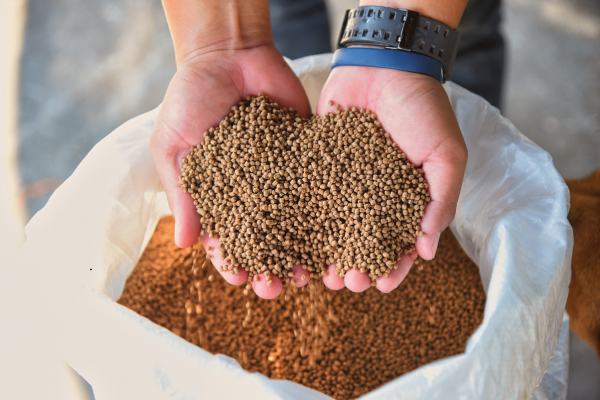
Prepared shrimp foods are the staple supplement. There are foods made specifically for shrimp, formulated for their nutritional needs, and a quality shrimp food given in tiny amounts is a reliable choice. These are designed to provide the balanced nutrition shrimp need beyond what biofilm offers.
Blanched vegetables are a favorite treat shrimp go genuinely wild for. A thin slice of zucchini, cucumber, spinach, or similar — briefly blanched to soften it — dropped into the tank will draw a crowd of shrimp piling on to graze it. It’s both nutritious and one of the more entertaining things to watch in a shrimp tank. Just remove the leftovers after a few hours.
Other occasional foods like specialized shrimp snacks and mineral supplements exist and can be offered now and then for variety, but they’re refinements. The core of supplemental feeding is simply a little quality shrimp food and the occasional vegetable treat.
How much and how often: less than you think
Here’s the part that matters most, and it bears repeating because it goes against instinct: feed a tiny amount, only a few times a week — not daily, and never generously. A small pinch of food two or three times a week is plenty for a typical colony, and many keepers feed even less, especially in a mature tank where grazing covers most of the shrimp’s needs.
The rule that protects your tank: anything not eaten within a couple of hours should be removed. Uneaten food sinks, rots, and releases ammonia — the same toxic compound your whole cycling process exists to control. Overfeeding fouls the water and can crash a tank, killing far more shrimp than underfeeding ever would. When you’re genuinely unsure whether to feed, the answer is almost always “not yet.”
If you ever see leftover food sitting around, or the water quality declining, you’re feeding too much. Scale back. A slightly underfed shrimp tank is a healthy one; an overfed one is a ticking problem.
Feeding babies and a growing colony
A quick note on baby shrimp, since new keepers worry about them. When your colony breeds, you don’t need to feed the babies anything special. The tiny shrimplets graze the very same biofilm the adults do — in fact, the biofilm on moss and surfaces is the ideal first food for them, perfectly sized and always available. This is another reason a well-planted, biofilm-rich tank is so valuable: it feeds your babies automatically, with no intervention from you.
As your colony grows larger, you may gradually offer a little more supplemental food to match the increased numbers, but always following the same principle — small amounts, removing leftovers, letting grazing do most of the work.
The bottom line
What do shrimp eat? Mostly, they feed themselves. Shrimp are all-day grazers living on the biofilm, algae, and detritus that naturally grow in an established tank, which means they need very little food from you. Supplement that grazing with tiny amounts of quality shrimp food a few times a week and the occasional blanched vegetable treat, always removing uneaten food within a couple of hours.
The golden rule is to feed sparingly — far less than your instincts suggest — because overfeeding, not underfeeding, is what harms shrimp tanks. Let the tank do most of the feeding, keep your supplements small, and your shrimp (and your water quality) will thrive. Feeding is one part of the complete care routine covered in the Neocaridina shrimp care guide.
