
A lid is one of those accessories that’s easy to overlook when you’re planning a shrimp tank — it’s not as exciting as the shrimp or the plants, and plenty of beautiful tanks run without one. So do you actually need a lid? The honest answer is that it’s not strictly essential, but it’s genuinely useful, and for a desk tank in particular there are real reasons to have one. Let me walk you through what a lid does, the cases for and against it, and how to decide for your own tank.
The good news: shrimp rarely jump
Let’s address the first thing people worry about, because it shapes the whole question. With many fish, a lid is essential because the fish will jump out of an open tank — it’s a real and common way to lose them. Shrimp are different. Neocaridina shrimp are not jumpers in the way many fish are, and they generally stay safely in the water. A shrimp leaping out of the tank is far less of a concern than a fish doing so.
This is why so many shrimp tanks, including gorgeous open-top aquascapes, run with no lid at all and lose no shrimp to escapes. So unlike a fish tank, “the lid keeps them from jumping out” isn’t the main argument here. The reasons to use a lid for shrimp are different and quieter — but they’re still worth taking seriously, especially on a desk.
Reason one: reducing evaporation
The most practical benefit of a lid, particularly for a small desk tank, is cutting down evaporation. A nano tank holds little water, so evaporation has an outsized effect — the water level drops noticeably and quickly compared to a large tank, meaning you’re topping off more often to keep the level stable.
A lid significantly slows that evaporation by covering the water surface, which means a more stable water level and less frequent topping off. On a desk, where you might prefer not to be refilling constantly, this is a genuine convenience. It also contributes to stability, since a more constant water level and reduced evaporation help keep conditions steady — and stability, as always with shrimp, is something worth protecting. For a small tank especially, this evaporation benefit alone makes a lid worth considering.
Reason two: keeping things out
A second quiet benefit is that a lid keeps unwanted things from getting into the tank. On a desk, that means dust, debris, and the general detritus of a working environment settling onto the water surface. A lid keeps the water cleaner by blocking that, which is a small but real plus in a desk setting surrounded by the dust of daily life.
It also keeps out curious household members — if you have cats, a lid is a sensible barrier between a curious paw and your shrimp. And it prevents you from accidentally dropping things into an open tank. None of these are dramatic, but together they make a lid a tidy, practical safeguard for a tank that lives out in your everyday space.
Reason three: the rare jumper and small escapees
While shrimp generally don’t jump, “generally” isn’t “never,” and a lid removes even that small risk. Occasionally a shrimp might end up out of the water, and a lid prevents the rare mishap. More relevantly for some keepers, a lid also helps contain any other small tank inhabitants — certain snails or other creatures can climb out of an open tank, and a lid keeps everyone where they belong. If your tank has anything beyond shrimp, a lid adds a margin of safety.
The case against a lid
To be balanced, there are reasons people choose to go lidless, and they’re legitimate. The biggest is aesthetics: an open-top tank simply looks cleaner and more elegant, with an unobstructed view of the water and aquascape, which is part of why open-top nano tanks are so popular for display. On a desk where the tank is partly there to be enjoyed and admired, the open look has real appeal.
There’s also a minor consideration around gas exchange and any tall plants or floating plants that might prefer an open top, though for a typical low-tech shrimp tank this is rarely a significant factor. And a lid is simply one more thing to buy and clean. So going lidless isn’t wrong — it’s a reasonable trade of a little convenience for a better view.
How to decide for your tank
So how do you choose? Weigh the practical benefits against the look you want. If you value convenience and stability — less topping off, cleaner water, protection from dust and curious pets — and you don’t mind covering the tank, a lid is a sensible, useful choice, especially for a desk tank where evaporation and dust are real factors. If you prize the elegant open-top look and don’t mind topping off a bit more often and keeping an eye on debris, going lidless is perfectly fine for shrimp, since they’re not prone to jumping.
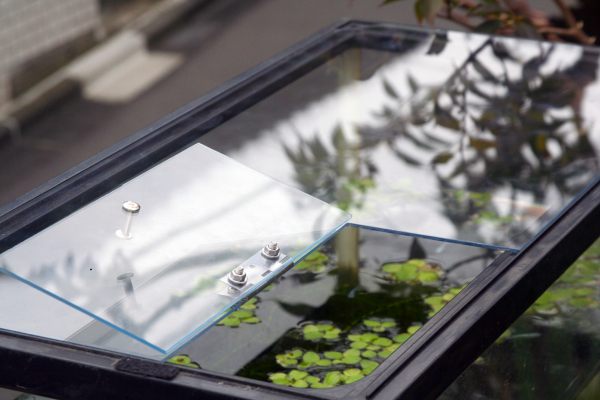
There’s no wrong answer here, which is exactly why it’s a matter of preference rather than necessity. Many desk keepers land on a lid simply because the evaporation reduction makes daily life a little easier, but a lidless tank remains a popular and valid choice. If you do use a lid, a glass lid or a fitted cover that suits your tank’s dimensions works well, and even a simple cover goes a long way on the evaporation and dust fronts.
The bottom line
Do you need a lid for a shrimp tank? Not strictly — shrimp rarely jump, so unlike a fish tank, escape isn’t the main concern, and plenty of beautiful shrimp tanks run open-topped. But a lid offers real, practical benefits, especially on a desk: it reduces evaporation (a meaningful convenience in a small tank), keeps out dust and curious pets, and adds a margin of safety. The main reason to skip one is the cleaner, more elegant open-top look.
It comes down to preference: convenience and stability with a lid, or aesthetics without one. Either way your shrimp will be fine, which makes it one of the more relaxed decisions in setting up your tank — part of the broader set of sensible equipment choices in the guide to choosing a nano tank for your desk.
