
Lighting is where a lot of beginners overspend and overthink, misled by all the high-tech aquascaping content into believing they need a powerful, programmable, expensive light to grow plants. For a low-tech planted shrimp tank, the opposite is true: you want modest light, and choosing it is easy once you understand that in a low-tech tank, more light isn’t better — it’s often worse. Let me explain what your tank actually needs from a light and how to choose one without falling into the high-tech trap.
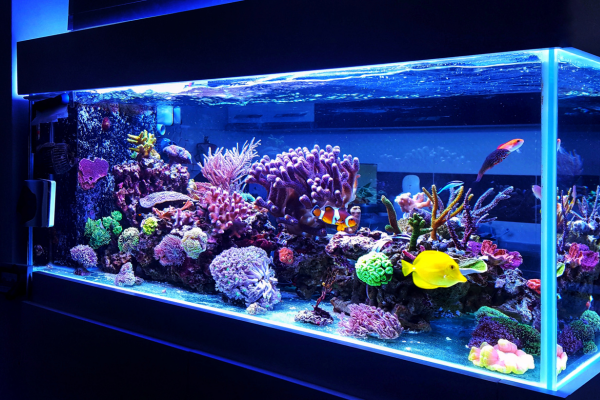
What the light is actually for
A planted tank light serves two purposes, and it helps to keep both in mind. The first is for you — to see your tank and your shrimp clearly, showing off their colors and the green of the plants. The second is for the plants — to provide the light they need for photosynthesis and growth.
Here’s the key point for a low-tech tank: your low-tech plants — Java moss, Anubias, Java fern, Bucephalandra — are slow, undemanding growers that thrive in modest light. They don’t need the intense lighting that demanding, CO₂-hungry plants require. So the plant-growth demands on your light are gentle, which means you’re really choosing a light that’s pleasant to look at and adequate for easy plants, not a high-output system. That makes the whole decision far simpler and cheaper.
Why more light is a problem, not a bonus
This is the counterintuitive heart of low-tech lighting, and understanding it saves you money and trouble. In a high-tech tank, lots of light drives fast plant growth — but only when paired with CO₂ and abundant nutrients to match. In a low-tech tank without CO₂, cranking up the light doesn’t grow your plants faster; instead, it fuels algae.
Algae love light. When you provide more light than your low-tech plants can actually use, the excess becomes a feast for algae, which turns your glass and surfaces green and creates a frustrating, ongoing battle. This is why low-tech keepers deliberately keep lighting modest: it gives the slow-growing plants what they need while starving algae of the excess. A gentle light is genuinely better for a low-tech tank than a powerful one — restraint is the goal.
So when choosing a light, resist the instinct that brighter and more powerful must be better. For your tank, modest is the target.
What to look for in a light
With that principle in mind, here’s what actually matters when choosing.
Appropriate, modest intensity. You want a light suited to a small low-tech tank — bright enough to see clearly and grow easy plants, but not a high-output unit built for demanding setups. Many simple nano aquarium lights fit this perfectly. You’re not looking for the most powerful option; you’re looking for an appropriate one.
The right size for your tank. Choose a light that fits the dimensions of your nano tank and lights it reasonably evenly. Small clip-on lights and slim LED fixtures designed for nano tanks are typically ideal for a desk setup.
A pleasant color temperature. This affects how your tank looks. A light in a natural daylight range tends to make plants look green and shrimp colors look good. This is partly aesthetic preference, so choose what looks appealing to you, but a balanced, natural-looking light flatters both plants and shrimp.
LED, for practicality. LED lights are energy-efficient, long-lasting, and run cool, which is helpful on a small desk tank where you don’t want extra heat. They’re the sensible standard for a modern nano tank.
You don’t need programmable channels, app control, or high-end features. A simple, appropriately-sized LED light of modest intensity is exactly right for a low-tech planted shrimp tank.
Even a clip lamp can work
It’s worth saying plainly, to underline how undemanding this is: your lighting doesn’t have to be a dedicated aquarium fixture at all. Because low-tech plants need so little, even a modest desk or clip lamp positioned over the tank can provide adequate light in a pinch. A dedicated small nano light is inexpensive and looks tidier, so it’s the natural choice, but the point is that you have flexibility and you absolutely don’t need to spend big. Lighting is one of the most forgiving parts of the whole setup.
Managing the light: the role of a timer and placement
Choosing the light is only part of it — how you use it matters just as much for keeping algae in check, so two quick practical points.
First, control how long the light is on. Leaving a tank light on all day, every day, overfeeds algae. A consistent, limited lighting period — a set number of hours each day rather than round-the-clock — gives your plants what they need while denying algae the endless light they’d exploit. An inexpensive timer makes this effortless and consistent, switching the light on and off on a reliable schedule so you never have to think about it. It’s a small addition that genuinely helps prevent algae.
Second, mind placement and sunlight. Keep the tank out of direct sunlight from windows, which adds uncontrolled, intense light that swings the temperature and feeds algae hard. Your controlled artificial light plus normal room light is exactly what you want; an uncontrolled sunbeam is the enemy. Solving this placement issue often matters more for algae control than the light you choose.
The bottom line
Choosing a light for a low-tech planted desk tank is easy and inexpensive once you grasp the core principle: more light isn’t better, because in a CO₂-free tank excess light fuels algae rather than growth. Your easy low-tech plants need only modest lighting, so look for a simple, appropriately-sized LED of gentle intensity and a pleasant color — nothing high-output or elaborate. Even a clip lamp can do the job.
Just as important, control the light with a timer to limit how long it’s on each day, and keep the tank out of direct sunlight — together these do more to prevent algae than any fixture choice. Modest, controlled lighting gives you a tank that’s lovely to look at and easy to keep, fitting right into the sensible low-tech equipment approach covered in the guide to choosing a nano tank for your desk.
